
Australia’s Great Social Media Experiment: World’s First Under-16 Ban Begins
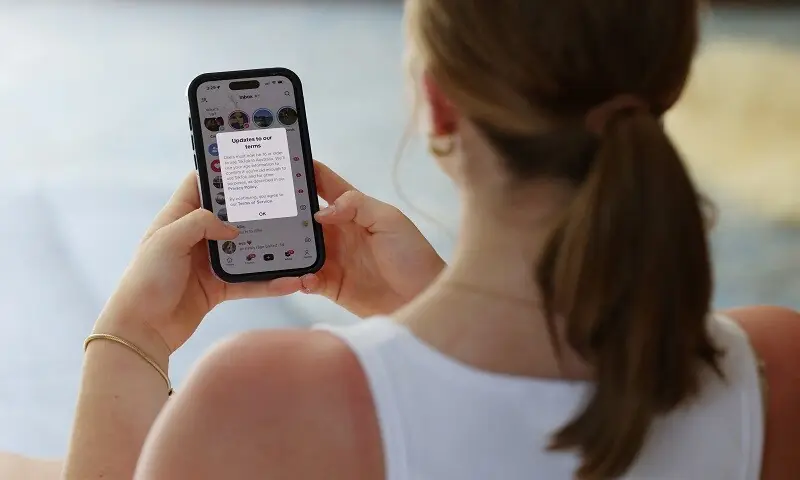
In a move that has ignited a fierce global debate about the role of technology in childhood, Australia has crossed a new frontier. As of Wednesday, December 10, 2025, the nation has become the first in the world to enforce a nationwide ban on major social media platforms for children under the age of 16.
In what the Australian government calls a “profound reform,” ten of the world’s largest social media platforms—including Instagram, TikTok, Snapchat, Facebook, YouTube, and X—are now legally required to prevent Australian users under 16 from creating or keeping accounts. The experiment, aimed squarely at protecting young people from online harm, is being watched with intense interest by governments, tech giants, and families around the world.
“This is a proud day,” Australian Prime Minister Anthony Albanese declared at a news conference. “It is one of the biggest social and cultural changes that our nation has faced.” The Prime Minister’s message to affected teens was direct: use the time to “start a new sport, learn a new instrument, or read that book that has been sitting there on your shelf for some time.”
A Ban Born from Anxiety and Tragedy
The law, which passed in 2024, represents the culmination of years of rising public anxiety over the impact of social media on young minds. Government officials cited research linking platforms to a mental health crisis among teens, including depression, anxiety, and harmful body image issues. “Social harm is being caused,” Albanese stated, “and therefore we have a responsibility… to respond to the pleas of parents.”
Sponsor Break!

The political will for such a drastic step was galvanized by compelling advocacy. Influential voices like American social psychologist Jonathan Haidt, author of the bestselling book The Anxious Generation, argued society has overprotected children in the physical world while leaving them dangerously exposed online. The movement gained further emotional force from Australian parents who lost children to suicide, some following online bullying or exploitation, who joined the Prime Minister to mark the law’s commencement.
How It Works: Platforms on the Hook
The ban, formally a “social media minimum age” requirement, places the onus squarely on the tech companies. Platforms designated as “age-restricted” must take “reasonable steps” to identify and block users under 16, or face staggering fines of up to 49.5 million Australian dollars (approximately $33 million USD). It is important to note that there are no penalties for the children themselves or their parents.
To comply, platforms are deploying a mix of age-verification methods. These include AI that estimates a user’s age from a selfie, cross-checking account information, and, as a last resort, requesting government-issued ID or bank details. This has raised significant privacy concerns, though regulators assure that data will be deleted after verification.
The platforms’ response has been one of begrudging compliance. Elon Musk’s X confirmed it would follow the law, stating, “It’s not our choice—it’s what the Australian law requires.” Snapchat, while strongly disagreeing with being classified as a social media platform, also outlined its compliance plan, noting it would preserve locked accounts for three years so teens could regain access when they turn 16.
The initial impact was immediate. Hundreds of thousands of accounts were deactivated on the first day, with reports of teenagers posting farewell messages with hashtags like #seeyouwhenim16.
A World Watches: Global Ripple Effects
Australia’s bold action has positioned the country as a global test case. Governments in Denmark, Norway, France, Malaysia, and New Zealand have all signaled interest in or are already advancing similar legislation. “I’m happy that we have a chance to see how they do it and see if we can learn from them,” said European Union lawmaker Christel Schaldemose.
In the United States, federal action seems less likely due to political gridlock and First Amendment concerns, but several states have passed laws requiring parental consent or implementing other restrictions for teen social media use. The Australian experiment will provide crucial data for these ongoing debates.
Skepticism and Unanswered Questions
Despite strong public support—a YouGov poll found 77% of Australians backed the ban—the rollout has been met with skepticism and criticism.
Critics, including civil liberties groups, argue the law infringes on young people’s freedom of expression and access to information. There are also fears it could drive teens to smaller, less-regulated platforms or to use virtual private networks (VPNs) to circumvent the block, potentially pushing them into darker corners of the internet.
Technical challenges are also significant. Early reports indicated that some age-assurance tools misclassified users, and many teens successfully bypassed the restrictions on the very first day. Experts like Professor Tama Leaver of Curtin University warn the policy may be overhyped. “It is world-leading, but it’s also world-leading because a lot of the world recognizes that the tools to do this don’t really work yet,” he told CNN.
Furthermore, some advocates worry a blanket ban may deprive vulnerable youth—such as LGBTQ+ teens or those in isolated communities—of vital online support networks.
Australian officials acknowledge the system will be imperfect. Prime Minister Albanese likened it to laws against underage drinking, arguing that occasional breaches don’t invalidate the need for a clear standard.
For now, as Australia enters its summer school holiday, the world will be watching to see if this unprecedented social experiment in digital parenting can succeed, or if the powerful allure of connection will prove too strong to legislate away.
Frequently Asked Questions (FAQs)
Q: Which specific platforms are included in the ban?
A: The initial list includes ten major services: Facebook, Instagram, TikTok, Snapchat, X (Twitter), YouTube, Reddit, Twitch, Kick, and Threads. The government has stated this is a “dynamic list” and other platforms could be added if they become popular with underage users. Notably exempt are services like WhatsApp, Discord, Roblox, Pinterest, and LinkedIn.
Q: What happens to the accounts of users under 16?
A: Policies vary by platform. In general, accounts will be deactivated or locked. Companies like Snapchat and TikTok are offering users the option to download their data and will preserve accounts for a period (e.g., three years) so they can be reactivated once the user turns 16. Users are not forced to delete their accounts permanently.
Q: If I’m over 16 but get mistakenly blocked, what can I do?
A: Each platform must provide an appeals process. This typically involves going through an additional, more robust age check, such as submitting a government ID (like a passport or driver’s license) or using a facial age estimation service.
Q: Are other countries likely to follow Australia’s lead?
A: Yes, there is significant global momentum. Denmark has proposed a ban for under-15s, and countries like Norway, France, Spain, Malaysia, and New Zealand are actively considering or studying similar measures. The European Parliament has also passed a non-binding resolution advocating for a minimum age of 16.
Q: What are the main arguments against the ban?
A: Critics raise several key concerns:
- Free Speech & Access: It may infringe on young people’s rights to political expression and access to information.
- Privacy Risks: Requiring IDs or facial scans for age verification creates new risks for data breaches and surveillance.
- Ineffectiveness: Teens may simply bypass the ban using VPNs or shift to other apps, potentially ending up in less-safe online spaces.
- False Security: It may give parents a false sense of security while not addressing the root causes of online harm, such as predatory algorithms and platform design.
Q: What has been the tech industry’s response?
A: The response has been critical but compliant. Major platforms like Meta and YouTube have condemned the law as “rushed” and difficult to enforce, warning it could push children to less safe parts of the internet. However, all ten targeted platforms have publicly agreed to comply to avoid massive fines.