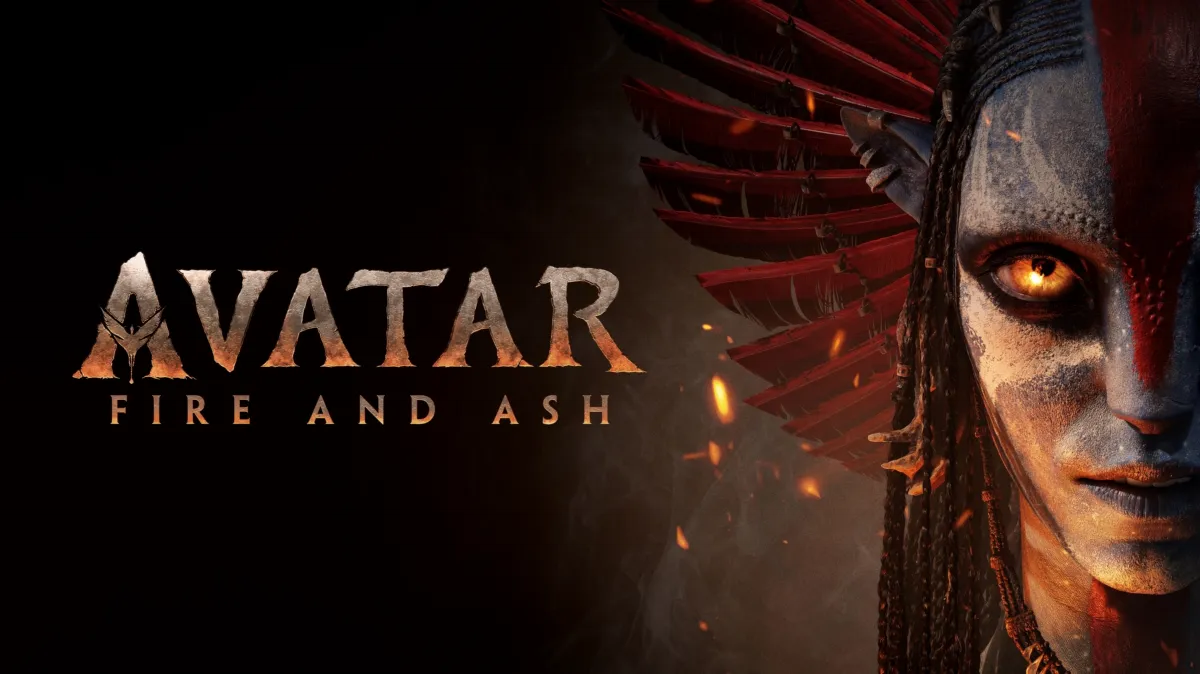

Avatar: Fire and Ash – The Definitive Guide to Pandora’s Darkest Chapter
Introduction: A Monumental Return to Pandora
Prepare to descend into the fiery heart of Pandora like never before. Avatar: Fire and Ash, the long-awaited third chapter in James Cameron’s monumental franchise, promises to shatter expectations. This is not a simple continuation, but a bold evolution of the saga. Moving beyond the lush jungles and vibrant reefs, the film plunges audiences into a darker, more complex, and emotionally harrowing narrative. It’s a story where the lines between hero and villain blur, grief reshapes beloved characters, and the very soul of Pandora is tested. As the Sully family grapples with devastating loss, a new and formidable enemy emerges from the volcanic ash, setting the stage for the series’ most epic and morally intricate conflict yet.
A Deeper, Darker Saga: Plot and Themes
Picking up in the aftermath of The Way of Water, the Sully family is fractured by the death of their eldest son, Neteyam. While seeking refuge, they encounter the Mangkwan clan, also known as the Ash People—a fierce, volcanic Na’vi tribe led by the formidable warrior Varang. In a shocking twist, this new tribe has formed an alliance with Jake’s sworn enemy, the recombinant Colonel Miles Quaritch, escalating the conflict to devastating new heights.
Director James Cameron has been explicit: this is the darkest Avatar yet. The title itself symbolizes a core theme: a vicious cycle where “fire” represents violence, anger, and hatred, and “ash” signifies the grief and loss left behind, which in turn fuels more fire. The film aims to move beyond the “black-and-white” morality of earlier installments, introducing morally ambiguous Na’vi and exploring themes of vengeance, racism, and the profound, lingering impact of loss. Cameron has stated, “Whatever you think it’s going to be, it isn’t,” promising bold and unpredictable story choices.
New Faces and Fractured Heroes: Key Characters
Avatar: Fire and Ash introduces pivotal new characters while pushing existing ones to their breaking points.
Sponsor Break!

- Varang (Oona Chaplin): The fiery leader of the Ash People is the film’s standout addition. Cameron describes her as a leader hardened by incredible hardship, willing to do “anything for her people, even things that we would consider to be evil”. Her dynamic with Quaritch is a highlight of the film.
- A Transformed Neytiri (Zoe Saldaña): Grief has radically changed Jake’s warrior wife. Saldaña has revealed that Neytiri becomes a “full-blown racist” following her son’s death, particularly towards the human Spider, to the point where she has “abandoned Eywa’s will” and Jake “doesn’t really recognize her anymore”. Her journey is central to the film’s emotional core.
- The Sully Family: The family unit is tested as never before. Lo’ak (Britain Dalton) takes over as the film’s narrator, signaling his growing role. Meanwhile, Spider (Jack Champion) faces intense inner turmoil as he’s caught between his biological father, Quaritch, and his adoptive family.
Critical First Reactions: Spectacle vs. Story
The first social media reactions from critics, released after the film’s premiere, paint a picture of a breathtaking but familiar spectacle.
The consensus is overwhelmingly positive about the film’s technical and visual achievements. Critics hail it as a “visual masterpiece,” “staggering achievement of moviemaking,” and the “ultimate cinematic spectacle”. Many emphasize that these films are what “movie theaters were built for”. The action sequences, particularly a stunning first-act set piece compared to “Mad Max: Fury Road meets Pirates of the Caribbean,” have been widely praised.
However, a notable split emerges regarding the narrative. While some call it the “best one yet,” with deeper character work and more emotional heft, others find it feels familiar. Criticisms include it being “more of the same,” a “rehash,” or “The Way of Water 2.0”. Some note the 3-hour and 14-minute runtime feels overstuffed with multiple plotlines.
At a Glance: What the Critics Are Saying
Behind the Scenes: A Colossal Production
The journey to Fire and Ash has been as epic as the film itself. With an estimated budget soaring over $400 million, it stands as one of the most expensive films ever made. Principal photography began simultaneously with The Way of Water in New Zealand in September 2017, utilizing groundbreaking performance-capture technology, and wrapped after over three years in late 2020.
A telling detail about its craftsmanship is the explicit title card that will appear in the film: “no generative AI was used in the making of this movie“. This underscores the human artistry behind every story beat, art design, and visual effect.
How and When to Watch “Avatar: Fire and Ash”
Avatar: Fire and Ash is currently playing exclusively in theaters worldwide. It was released on December 19, 2025.
- Theatrical Experience: The film is designed for the big screen, with extended sequences best experienced in 3D, IMAX, or Dolby Cinema formats. Its lengthy runtime of approximately 3 hours and 15 minutes makes it the longest Avatar film to date.
- Streaming Release: There is no official date for when the film will be available on digital platforms or streaming services like Disney+. Historically, major Disney/20th Century Studios releases have a theatrical window of several months before moving to the home market. Based on this pattern, a streaming debut on Disney+ is unlikely before mid-to-late 2026.
Important Notice: Any website offering a “full movie download” or free online streaming of this film is promoting illegal piracy. These sites often host poor-quality, cam-recorded copies, pose significant security risks from malware, and directly harm the creative industry.
The Future of Pandora: What Comes Next?
The fate of the entire Avatar saga hinges on the success of Fire and Ash. Cameron has stated that the future of planned fourth and fifth films depends on its box office performance this holiday season. However, a significant portion of Avatar 4 has already been shot.
The story is designed as part of a larger meta-narrative, with Fire and Ash acting as a “transitional” film that sets the stage for the grander story to come. If successful, audiences can expect Avatar 4 and Avatar 5, currently scheduled for release in 2029 and 2031, respectively.
Conclusion: Is “Fire and Ash” a Must-See?
Avatar: Fire and Ash represents a pivotal moment for the franchise. It is a technical marvel that delivers unparalleled visual spectacle and pushes blockbuster filmmaking to new heights. For fans invested in the world of Pandora and the Sully family’s journey, it offers a rewarding, if darker and more challenging, emotional arc, with standout performances from Zoe Saldaña and newcomer Oona Chaplin.
However, for those who felt the Avatar formula was growing repetitive, this chapter may not offer the revolutionary narrative leap they hoped for. It is, by design, a deeper exploration of a familiar world rather than a complete reinvention.
Ultimately, Fire and Ash is a film demanding to be seen on the largest screen possible. It is a testament to old-school, human-driven cinematic ambition on a colossal scale. Whether it ignites your passion or feels like embers of a familiar flame, it is an experience that defines the scale and ambition of modern Hollywood.
I hope this detailed guide helps you decide on your journey to Pandora. Are you planning to see it in a specific format like IMAX 3D?