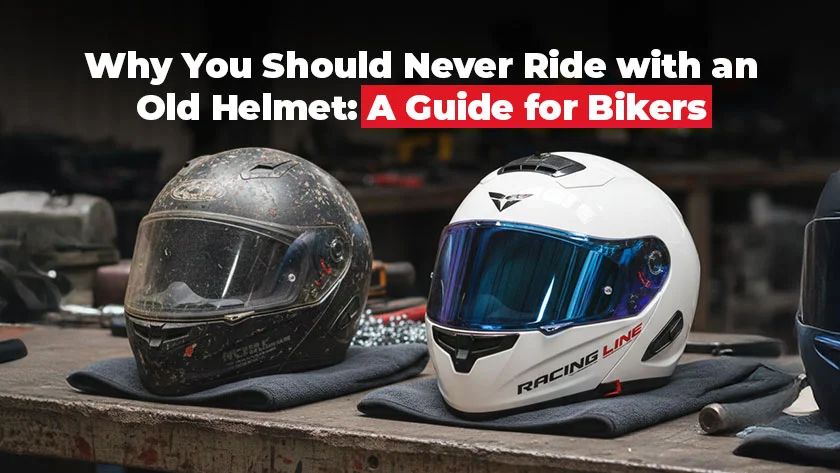

Alright, so we’re friends, right? And as your friend, I’ve got to talk to you about something super important – something that could literally save your life on the road. We’re diving deep into motorcycle helmets today, specifically why holding onto that old, trusty, maybe a little beat-up helmet is a risk you absolutely shouldn’t be taking. Seriously, this isn’t just about looking cool; it’s about protecting your most valuable asset: your brain.
You know how crucial helmets are, especially here in Pakistan. They’re not just a suggestion; they’re your first line of defense against some pretty nasty head and brain injuries if things go sideways on the road. We see it all the time, unfortunately, and nobody wants to be that statistic.
The World Health Organization (WHO) has some eye-opening stats for us. They say that if you’re wearing a good quality helmet correctly, you can slash your risk of dying in a crash by more than six times! And when it comes to brain injuries, that risk drops by a whopping 74%. Think about that for a second. That’s a massive difference. Another big study looked at tons of research and found that motorcycle helmets reduce head injury risk by about 72%. Those numbers aren’t just figures; they represent lives saved and futures protected.
Here in Pakistan, more than half of all traffic deaths involve people like us – road users, pedestrians, and especially motorcyclists. While pedestrians need to be careful, we bikers are particularly vulnerable out there. And with recent changes, like the Punjab Government lowering the minimum age for a motorcycle license to 16, there are even more young, less experienced riders hitting the streets. This just makes wearing the right gear, like a properly fitted helmet, even more critical to keep everyone safe.
Sponsor Break!

You might have even heard about the new rule allowing 16-year-olds to get a license. It’s a game-changer, but it also means we all need to be extra vigilant about safety. If you want to know more about that, there’s a great article on Punjab lowering the license age. But for now, let’s focus on your helmet.
The Sneaky Dangers of an Old Helmet: Why It’s Just Not Worth the Gamble
Okay, so you might think your helmet is just a piece of gear, maybe even a fashion statement. But it’s so much more. It’s a life-saving device, and here’s the kicker: helmets don’t last forever. They actually degrade over time and lose their ability to protect you. Let’s break down why that old lid might be letting you down.
That Squishy Inner Foam? It’s Giving Up!
Inside your helmet, there’s this really important layer, usually made of expanded polystyrene (EPS) foam. This stuff is like a miracle material; it’s specifically designed to absorb the energy from an impact, cushioning your head and preventing your brain from slamming into your skull. But here’s the bad news: this foam isn’t invincible. Over time, constant exposure to heat, direct sunlight, and those pesky UV rays causes it to break down. It loses its springiness, its ability to compress and then bounce back. Imagine an old, worn-out sponge – it just doesn’t absorb like it used to, right? The same goes for your helmet’s EPS. When it’s degraded, it simply can’t do its job effectively in a crash, leaving your head much more vulnerable.
Your Helmet’s Skin is Getting Brittle: The Weakened Outer Shell
The outer shell of your helmet is the first thing to take a hit in an accident. It’s designed to spread the impact force across a wider area. But guess what? Materials like polycarbonate and ABS plastic, often used in helmet shells, become brittle over time. Sun, temperature changes, and even just everyday wear and tear can cause them to lose their original strength. It’s like leaving a plastic chair out in the sun for years; eventually, it becomes fragile and can crack easily. If your helmet has a fiberglass, carbon fiber, or Kevlar shell, you’re a bit luckier – these materials are generally tougher and better at dissipating impact forces. But even they aren’t immortal. A really clear sign that your helmet’s shell is weakening is if the paint is fading or if you notice a yellowish tint developing. If you see that, it’s a big red flag that its protective strength is compromised.
“Snug as a Bug” Becomes “Sloshing Around”: The Poor Fit Problem
Remember when you first bought your helmet and it felt perfectly snug? That’s how it’s supposed to be! But as helmets age, the internal padding compresses and breaks down. This leads to a much looser fit. And an ill-fitting helmet is almost as bad as no helmet at all in a crash. Why? Because if it’s too loose, it can shift around, leaving parts of your head exposed, or even come off completely. It won’t stay securely in place to protect you when you need it most. Imagine trying to catch a ball with an oversized, floppy glove – it just doesn’t work. Your helmet needs to be a perfect fit to do its job.
Fuzzy Vision and Floppy Straps: Faded Visors and Loose Straps
Beyond the fit, old helmets often come with other annoying – and dangerous – issues. Let’s talk about the visor. A second-hand or old visor can get scratched, hazy, or cloudy over time. This drastically reduces your visibility, especially in challenging conditions like rain, fog, or glaring sunlight. Trying to ride with a scratched visor is like trying to see through dirty glasses; it’s distracting and increases your risk of not seeing something important. And then there are the chin straps. If they’re frayed, stretched out, or just not cinching tightly anymore, your helmet might not stay on your head during an impact. A loose strap means your helmet could fly off or rotate dangerously, turning a potentially minor incident into a severe head or neck injury. The amount of damage here usually depends on how long the helmet has been used, so buying new, well-fitting gear is always the smartest move.
The Ghost of Crashes Past: Hidden Accident History
This is a big one, especially if you’re ever tempted to buy a second-hand helmet. Even if a used helmet looks perfectly fine on the outside, you simply can’t know its entire history. It might have been involved in a crash, even a seemingly minor one, that caused internal damage you can’t see. Helmets are generally designed for one-time impact absorption. Once they’ve taken a hit, their structural integrity is compromised, even if there’s no visible external damage. It’s a bit like a car that’s been in a hidden fender bender; it might look okay, but the frame could be bent. Don’t gamble your brain on someone else’s unknown history.
Ew, Gross! Hygiene Issues
Let’s be real for a second. Helmets get sweaty. They collect dust, dirt, and over time, they can become a breeding ground for bacteria. This isn’t just gross; it can lead to skin irritation, allergic reactions, or even infections on your scalp and face. Nobody wants to deal with a rash or a breakout just from wearing their helmet! It makes your ride uncomfortable and unsanitary. That’s why it’s a good idea to wear a surgical cap under your helmet, especially if you’re sharing or if it’s an older helmet. And using a disinfectant spray can help, but only if the helmet isn’t too old and degraded. Eventually, even disinfectant can’t fix fundamental hygiene issues in an aging helmet.
You might also want to check out another article: 7 Dangers of Driving Without a Helmet. It really drives home the message of why this gear is so vital.
Choosing Your Brain’s Best Friend: What to Look for in a New Helmet
Okay, so now that we’re clear on why old helmets are a no-go, let’s talk about how to pick a new one. This isn’t a “one size fits all” situation, my friend. Here’s what you absolutely need to know:
The Golden Stamp of Approval: Safety Certification
This is non-negotiable. Always look for helmets that proudly display ECE (Economic Commission for Europe) or DOT (Department of Transportation) safety standards. The ECE standard is widely recognized across Europe and many other parts of the world, while DOT is the go-to benchmark in the United States. These certifications aren’t just fancy stickers; they mean the helmet has been put through rigorous impact and crash tests. It’s proof that the helmet has met specific, demanding safety criteria, making it a truly reliable choice for protecting your head. Don’t settle for anything less!
The Perfect Hug for Your Head: The Right Fit
I can’t stress this enough: your helmet needs to fit snugly. Not so tight it gives you a headache, but definitely not loose enough to wiggle around. If your helmet moves freely on your head, it’s not going to do much for you in an accident. To find that perfect fit, grab a measuring tape and measure the circumference of your head. Then, compare that measurement to the manufacturer’s size chart. Remember, sizes can vary a bit between different brands, so always check that chart!
Built Tough: The Material Matters
Helmets come in a few different flavors of materials. You’ve got polycarbonate, which is usually more affordable and a bit flexible. Then there’s fiberglass and carbon fiber, which are generally considered the premium options. These offer superior protection and durability because of their incredible strength-to-weight ratio. They’re often the choice for serious riders and those who really prioritize top-tier performance and safety. While polycarbonate is good, if your budget allows, fiberglass or carbon fiber offers that extra peace of mind.
Clear Vision, Safe Ride: The Visor
A clear, scratch-free visor is absolutely essential for good visibility, especially when you’re dealing with harsh weather or low light. If you can find one, an anti-fog visor is a game-changer, particularly in humid or rainy conditions like we often experience here in Pakistan. Some visors even come with UV protection, which is fantastic for reducing glare from the sun and keeping your eyes comfortable during those long rides.
Happy Head, Happy Rider: Comfort and Ventilation
Think about those long rides. You want to be comfortable, right? Look for helmets that offer good ventilation. This helps keep you cool, especially on hot days, and prevents that sweaty, claustrophobic feeling. Comfortable padding also plays a huge role; it reduces pressure points and irritation, making your ride much more enjoyable and helping the helmet stay put. A comfortable helmet is one you’ll actually *want* to wear every time.
Where to Find Your Next Lifesaver: PakWheels Autostore
Now that you know what to look for, where do you go to get it? Well, I’ve got a great recommendation for you: PakWheels Autostore. They’ve got a fantastic selection of top-rated helmets from trusted brands, and the prices are competitive, ranging from around Rs 1,500 to Rs 25,000. Whether you’re looking for a full-face helmet for maximum protection, an open-face for city cruising, or a versatile flip-up, they’ve got you covered.
- Nationwide Delivery: You can get your new helmet delivered right to your doorstep, no matter where you are in the country. Super convenient!
- Return and Refund Policy: They stand by their products, so you can shop with peace of mind. If there’s a manufacturing defect, you can return it hassle-free.
- Certified Safety: This is huge. All the helmets they sell are certified for safety (ECE and DOT standards), so you know you’re getting a quality product that will actually protect you.
Seriously, visit PakWheels Autostore today. It’s a smart step towards upgrading your safety gear.
The Bottom Line: Your Safety is Priceless
Look, your helmet isn’t just a piece of plastic and foam; it’s a critical piece of protection that could literally save your life. Riding around with an old, worn-out helmet is a huge gamble, and it’s one you absolutely shouldn’t take. Helmets degrade over time, it’s just a fact of life and physics. If your helmet is older than five years, or if you start noticing any of those signs of wear and tear we talked about – faded paint, loose fit, brittle shell – it’s time. Time to replace it. Period.
Think of it this way: a good helmet isn’t an expense; it’s an investment in your well-being. Protect yourself, ride smart, and always make sure you’re